
Horror Stories
The Black Dahlia Murder: Hollywood’s Most Infamous Unsolved Mystery
The 1947 murder of Elizabeth Short shocked Los Angeles and sparked one of the most infamous criminal investigations in American history. Nearly eight decades later, the Black Dahlia case remains unsolved.

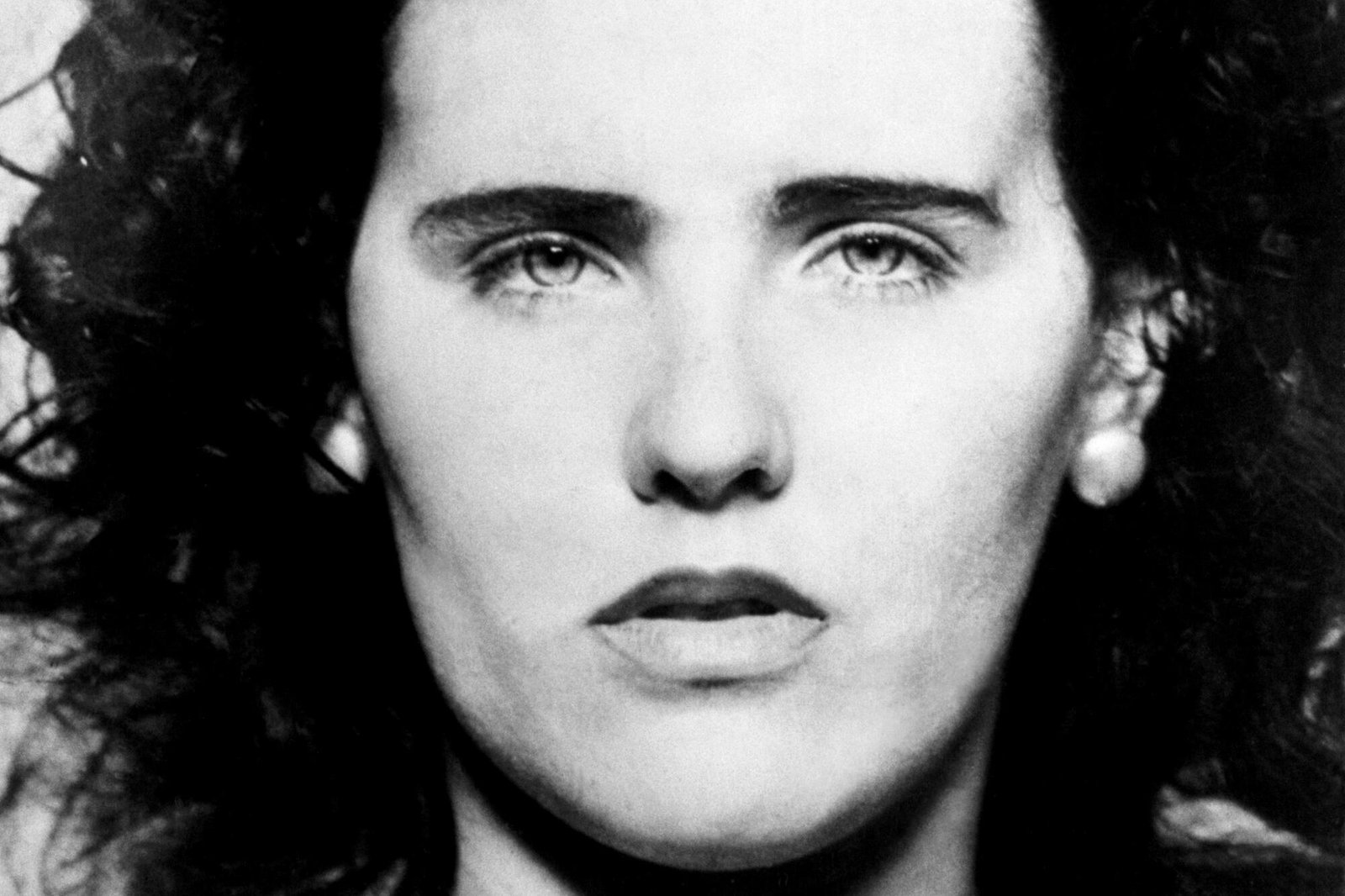
On January 15, 1947, a woman walking through a Los Angeles neighborhood made a discovery that would become one of the most infamous murder cases in American history. The victim was 22-year-old Elizabeth Short, whose brutal killing shocked the public and sparked a massive investigation that ultimately failed to identify her murderer.
The press would give Short a name that became far more famous than the woman herself: the Black Dahlia. Nearly eight decades later, her murder remains unsolved, surrounded by conflicting accounts, countless theories, and unanswered questions about what happened during her final days.
Who Was Elizabeth Short?
Elizabeth Short was born in Massachusetts in 1924 and later moved around the United States before spending time in Southern California. Like many young people drawn to the promise of a new life, she hoped to find opportunities in the Los Angeles area.
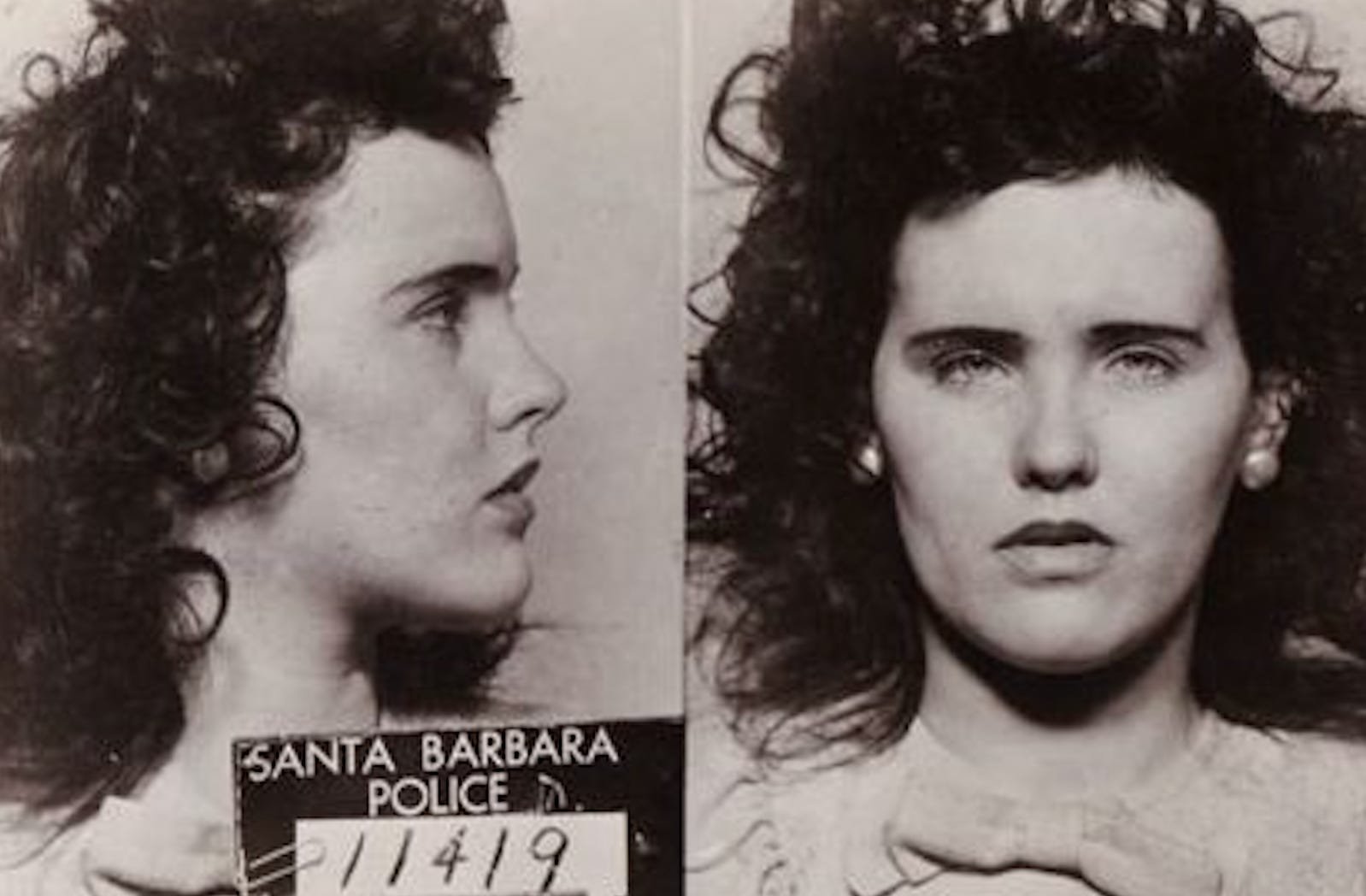
Over time, Short became associated with Hollywood’s postwar culture, and newspapers later presented her as an aspiring actress caught up in the darker side of the entertainment world. However, much of what the public came to believe about her was shaped by sensational reporting rather than a complete understanding of her life.
Her nickname, the Black Dahlia, became widely associated with the case after her death. The name is commonly linked to her dark clothing and hair, as well as the contemporary film The Blue Dahlia. The nickname helped turn Short into a headline, but it also contributed to the mythologizing of a real young woman whose life was more complicated than the character created by the press.
The Gruesome Discovery That Shocked Los Angeles
On the morning of January 15, 1947, a woman walking with her young child discovered Short’s body in a vacant lot near South Norton Avenue in Los Angeles. The scene was so disturbing that the woman initially mistook the body for a mannequin.
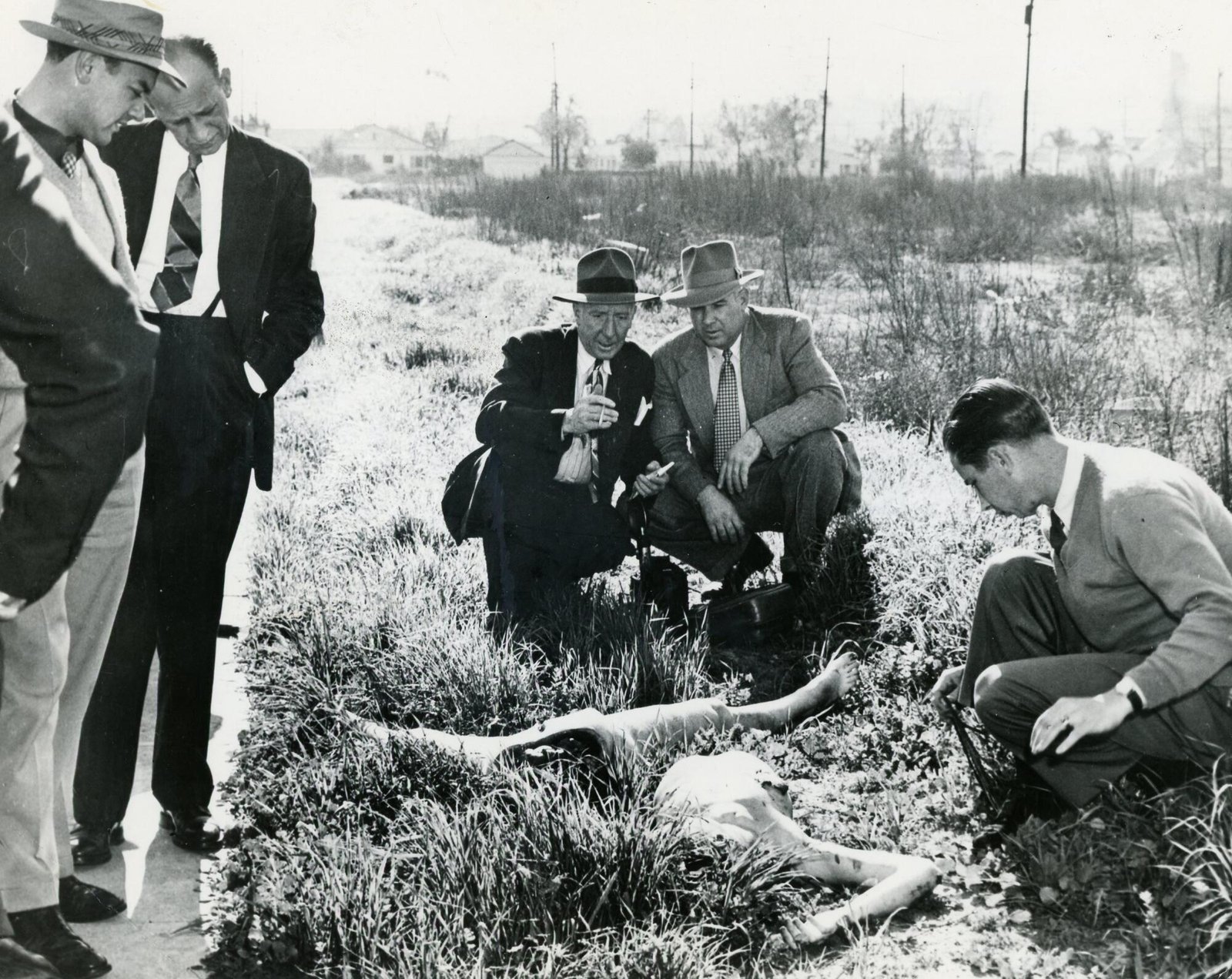
Investigators quickly recognized the severity of the crime. The body had been mutilated, and the condition in which it was found suggested that Short had been killed elsewhere before being left at the vacant lot. The brutality of the murder immediately attracted intense public attention.
The discovery triggered a major investigation by the Los Angeles Police Department, with the FBI assisting in identifying the victim and checking records connected to potential suspects.
One of the first challenges was establishing who the victim was. The FBI identified Short through her fingerprints in just 56 minutes after receiving them from Los Angeles. Her fingerprints were already on file, including from a previous employment application and an earlier arrest for underage drinking.
A Massive Investigation With No Clear Answer
The Black Dahlia case quickly became one of the most heavily publicized murder investigations of its era. Detectives interviewed witnesses, pursued leads, and examined a long list of potential suspects.
The FBI supported the investigation by checking records and helping authorities follow leads across state lines. Investigators also explored whether the unusual nature of the crime suggested that the killer had medical or anatomical knowledge. That possibility prompted inquiries involving medical students, although it did not lead to a definitive identification of the murderer.
The investigation was also complicated by the volume of information reaching authorities. Newspapers received tips, individuals made claims, and people came forward with stories that were difficult to verify. As the case attracted more attention, separating credible evidence from rumor became increasingly challenging.
An anonymous letter that may have been connected to the killer offered another possible lead. Investigators attempted to match fingerprints associated with the letter against FBI records, but the search produced no identification.
Despite the enormous effort, authorities never established who killed Elizabeth Short.
The Suspects and Theories That Refuse to Disappear
Over the decades, numerous people have been proposed as possible suspects in the Black Dahlia murder. Some theories have focused on individuals who knew Short, while others have pointed toward people whose professional backgrounds or behavior appeared suspicious to later investigators and authors.
But suspicion is not proof. No publicly established finding has conclusively identified Short’s killer, and many popular theories rely on circumstantial evidence, disputed claims, or interpretations made long after the original investigation.
The case continues to attract attention because its unanswered questions leave room for speculation. Books, documentaries, and fictional adaptations have revisited the murder, sometimes presenting theories with far more certainty than the evidence supports.
That distinction matters: the Black Dahlia murder remains an unsolved case, and no theory should be treated as fact simply because it makes for a compelling story.
How the Media Helped Create the Black Dahlia Myth
The murder was horrifying, but the media coverage helped transform it into a national obsession. Newspapers competed for attention, published dramatic accounts, and built a larger-than-life image around the victim.
In the process, Elizabeth Short’s own story often became secondary to the sensational details of her death. Later accounts repeated claims about her personality, relationships, and ambitions, sometimes blurring the line between documented facts and stories that had grown more elaborate over time.
The nickname Black Dahlia itself became part of the case’s enduring mythology. It was memorable, dramatic, and perfectly suited to the film-noir atmosphere often associated with postwar Los Angeles. But it also made it easier for the public to remember the mystery as a macabre legend rather than the murder of a real person.
The case remains a reminder of how crime reporting can shape public memory—and how easily speculation can become intertwined with the history of a victim.
Why the Black Dahlia Murder Still Haunts People Today
Nearly 80 years after Elizabeth Short’s death, the Black Dahlia murder continues to fascinate true-crime audiences because it combines a brutal crime, a failed investigation, and a victim whose life has often been obscured by the mythology surrounding her.
The case also reflects the limits of even a large investigation. Detectives and federal agents followed leads, examined evidence, and sought help from the public, yet none of those efforts produced an answer that has been accepted as conclusive.
The enduring mystery has inspired films, books, and documentaries, but the central question remains unanswered: who killed Elizabeth Short, and why?
Until reliable evidence establishes what happened, the Black Dahlia case remains one of America’s most notorious unsolved murders—and a reminder that behind even the most famous true-crime story is a real person whose life deserves to be remembered beyond the circumstances of her death.
If you’re fascinated by real-life cases involving murder, unsolved mysteries, and disturbing true stories, continue exploring the darker side of reality with our editorial, 10 True Horror Stories That Will Haunt You: Real-Life Tales of Murder, Mystery & Terror.
These chilling cases prove that sometimes, the most terrifying stories aren’t fiction.






Clayface Review: DC’s Gruesome Body Horror Movie Is a Messy Transformation

The Black Dahlia Murder: Hollywood’s Most Infamous Unsolved Mystery

7 Horror Movies That Will Mess With Your Head Long After They End

9 Days of Horror: The Movies You Need to Watch Before Halloween

Dead Meat’s Movie ‘Fresh Meat’ Is Now Available on Digital at Home!

All the Horror Coming to Hulu, Netflix, Tubi & More in October 2026

5 Horror Movies Coming to Theaters Before Halloween 2026

50 Things to Do at Home for Halloween

Shudder Reveals Full October Horror Lineup for Halloween

“Crossed” Teaser Trailer: ‘The Boys’ Creator and ‘The Sadness’ Director Unleash an Extreme Horror Experience

‘Jump Scare’: Rock ’n’ Roll Cannibal Horror Film Hits Theaters on Halloween Hangover Tour

First ‘Night Tales Club’ Teaser Unites J-Horror Masters for Disney+ Anthology Series

Ridley Scott’s Sci-Fi Thriller ‘The Dog Stars’ Arrives on Digital Next Week

‘Victorian Psycho’: Maika Monroe’s New Psychological Horror Movie Gets Free Sneak Screenings
