Editorials
Is Hollywood Running Out of Original Horror Ideas? The Rise of Internet Horror

Hollywood has spent years mining established franchises, remaking familiar classics, and searching for the next horror property. But now some of the industry’s most interesting opportunities aren’t coming from traditional screenwriting pipelines. They’re emerging from YouTube, online horror communities, viral videos, and independent filmmakers who built their audiences on the internet.
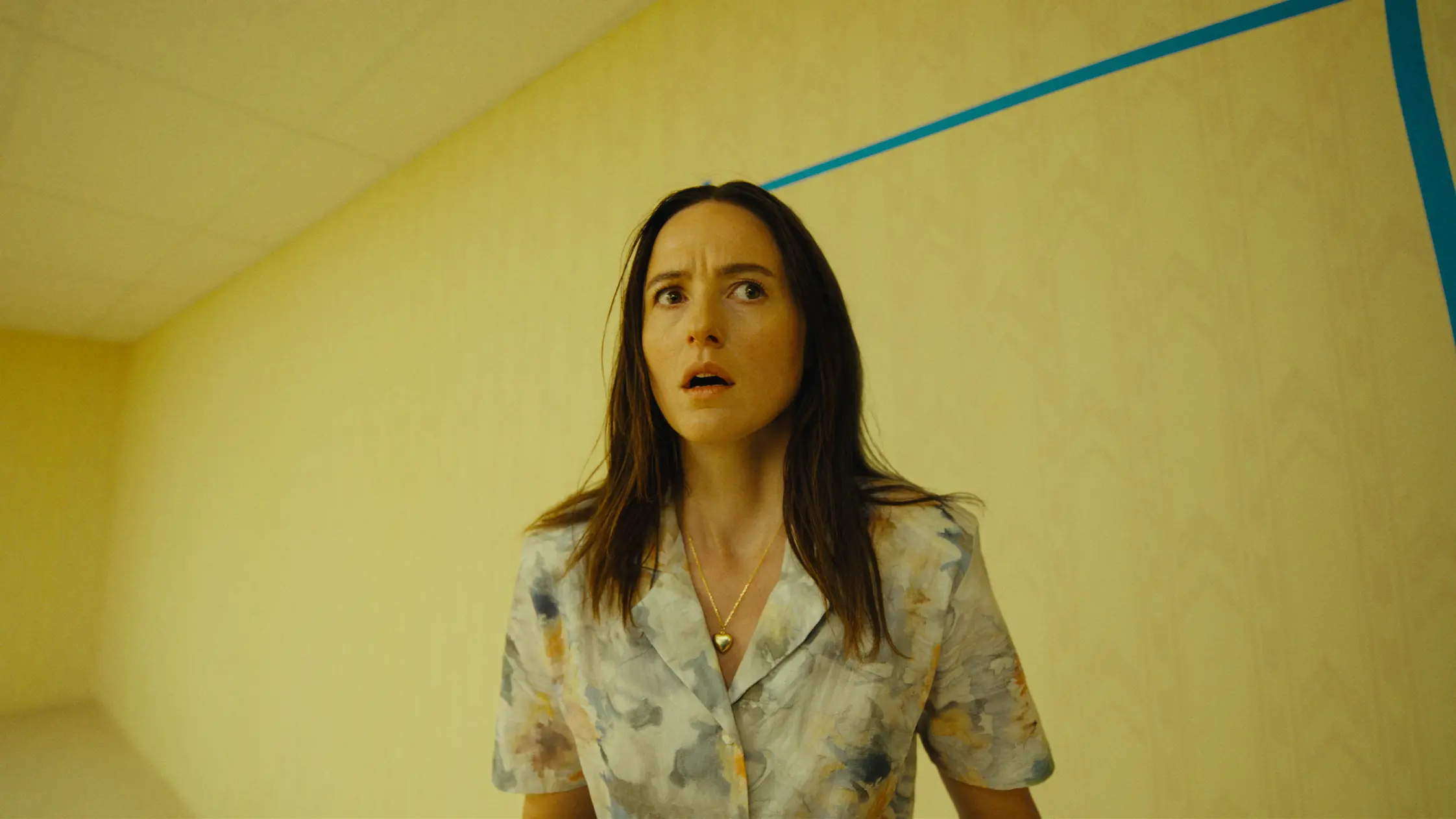
The success of The Backrooms and Obsession has helped accelerate this shift. Both films emerged from filmmakers who developed their craft outside the conventional studio system, and their theatrical performances have encouraged Hollywood to look more closely at creators working online. In the wake of that success, studios have pursued internet horror properties ranging from The Mandela Catalogue to Jeff the Killer and Siren Head.
For horror fans, the trend raises an intriguing question: Is Hollywood running out of original ideas, or is the internet giving filmmakers a new way to bring them to life?
The answer is more complicated than it might seem.
Hollywood Has Always Relied on Familiar Ideas
The horror genre has never been entirely dependent on original concepts. Vampires, werewolves, haunted houses, demonic possessions, masked killers, and supernatural curses have appeared in countless films across generations.
That doesn’t necessarily mean filmmakers lack imagination. Familiar concepts provide a foundation that directors and writers can transform through atmosphere, character development, social commentary, and new approaches to storytelling.
The same principle applies to remakes and adaptations. A familiar premise can produce a distinctive film when the people behind it have a compelling perspective.
However, Hollywood’s reliance on recognizable intellectual property has become a recurring criticism of the industry. Established franchises offer studios something valuable: audiences may already recognize the title, characters, or fictional universe before a marketing campaign begins.
That commercial logic can make unfamiliar ideas more difficult to sell. An original horror film without an established audience may have to convince viewers to take a chance on something they know nothing about.
Internet horror is beginning to change that equation.
A creator can spend years developing an idea on YouTube or within an online community, building recognition long before a production company considers turning it into a feature film. By the time a studio becomes interested, the concept may already have an audience, a recognizable visual identity, and an established mythology.
Instead of starting from zero, filmmakers can bring a proven creative concept to the industry.
The Backrooms Changed the Conversation
Few recent examples illustrate the potential of internet-born horror better than The Backrooms.

The concept originated from an unsettling image of an empty, yellow-lit interior that circulated online. The idea behind it was simple but effective: someone could accidentally slip out of ordinary reality and become trapped in an apparently endless network of rooms.
The concept grew into a collaborative internet mythology, inspiring stories, games, and videos. Filmmaker Kane Parsons developed his own interpretation through a YouTube series that used atmospheric cinematography and visual effects to make the impossible environment feel disturbingly tangible.
That work eventually led to a feature film from A24, directed by Parsons and starring Chiwetel Ejiofor, Renate Reinsve, Finn Bennett, and Lukita Maxwell. The Backrooms reached theaters on May 29, 2026.
The important part of this story isn’t simply that an internet horror concept became a movie. It’s that the filmmaker responsible for developing its online identity was able to carry that creative vision into a major theatrical production.
The industry didn’t have to invent a new monster or build an audience from scratch. An independent creator had already demonstrated how the concept could work on screen.
For studios searching for their next horror success, that combination of an original visual idea, an established audience, and an emerging filmmaker is understandably attractive.
The Internet Is Becoming Hollywood’s New Scouting Ground
The success of internet-born horror has prompted studios and producers to look beyond conventional industry channels when searching for new projects.
A July 2026 report from the Los Angeles Times described a growing race among studios to acquire internet-native horror concepts. The report highlighted the industry’s interest in ideas developed through online videos, memes, and independent projects, as well as the increased leverage some creators have gained when negotiating with established production companies.
This is an important distinction. Hollywood isn’t simply hiring social media personalities to appear in movies. In some cases, companies are acquiring the underlying concepts those creators developed, with the original filmmakers remaining involved in writing, directing, or producing the adaptations.
Consider The Mandela Catalogue, Alex Kister‘s analog horror series, which built a substantial audience through YouTube.
The project uses distorted recordings, emergency broadcasts, and disturbing humanlike entities to create a fictional world where familiar images become sources of terror. Rather than relying on a traditional theatrical release to introduce the concept, Kister developed its mythology through online episodes.
Amazon MGM Studios and United Artists acquired the film rights in 2026, with Kister attached to direct. TheWrap subsequently reported that the feature was scheduled for release on June 9, 2028.
The project demonstrates how an independent creator can develop a recognizable horror identity online before entering the studio system.
A similar approach is behind the planned Jeff the Killer feature. The character emerged from creepypasta culture, where horror stories spread through online communities and are frequently rewritten or reinterpreted by different users. In August 2026, TheWrap reported that creator and filmmaker Savanah Moss was partnering with Tongal to develop a feature based on the internet horror character.
Meanwhile, Warner Bros. won the rights to adapt Trevor Henderson’s Siren Head, a towering fictional creature that became popular through online artwork and horror videos. The project brought together filmmakers Zach Cregger and Brian Duffield, with Duffield attached to direct.
These projects come from different corners of internet culture, but they share a common feature: their concepts had already attracted attention before being developed into traditional feature films.
Why Internet Horror Works So Well
Internet horror has several qualities that make it particularly suited to modern audiences.
First, it can be immediate. A disturbing image, a strange recording, or a short video can communicate a frightening idea in seconds. Viewers don’t need to understand an elaborate mythology before encountering the central source of dread.
Second, internet horror often thrives on uncertainty.
A video might appear to document an unexplained event. An emergency broadcast might contain a warning that makes no sense. A familiar face might look almost human, but something about it feels wrong.
That ambiguity encourages viewers to interpret what they’ve seen, compare theories, and search for additional information.
Traditional films can use these techniques, too, but online platforms make it easier for stories to unfold in fragments. A creator can release a series of short videos, hide clues in different uploads, and allow an audience to piece together the larger narrative.
The audience becomes an active participant rather than someone who simply watches a completed story.
This format also allows filmmakers to experiment without immediately committing to the cost of a feature-length production. A short film can establish a visual style, test a premise, and demonstrate whether viewers respond to a particular kind of horror.
If the concept connects with an audience, it may attract attention from producers who can help expand it.
That doesn’t guarantee a successful movie. A premise that works for a five-minute video may not sustain a feature, and an online following doesn’t automatically translate into theatrical ticket sales.
But the internet gives filmmakers a way to demonstrate their ideas before entering a traditionally expensive industry.
Is Hollywood Abandoning Traditional Horror?
Not exactly.
Internet horror is gaining attention, but that doesn’t mean original screenplays, independent films, or conventional horror concepts are disappearing.
Filmmakers continue to create original stories outside internet-born franchises. The difference is that online platforms have opened another route into the industry, allowing creators to develop ideas and audiences before seeking traditional financing and distribution.
The distinction between an original concept and an established property can also become blurred.
The Backrooms originated from an existing internet image and a collaborative mythology, but Parsons developed a distinct cinematic interpretation. The Mandela Catalogue has an established online identity, yet its feature adaptation still requires a new screenplay and a story capable of working as a theatrical film.
The source material may be familiar to online audiences, but the finished movie still needs to offer something new.
There is also a potential downside to the trend. If studios begin chasing every viral horror character or internet legend, the same commercial incentives that encouraged endless sequels and remakes could eventually produce a new wave of formulaic adaptations.
A recognizable online property is not automatically a compelling film. Nor does a large following guarantee that audiences will pay to see a feature.
The real test will be whether filmmakers can transform these concepts into satisfying cinematic experiences instead of simply stretching a popular image or short video into a longer production.
Independent Horror Filmmakers Have More Ways to Find an Audience
Perhaps the most interesting consequence of this shift is what it means for independent filmmakers.
For decades, getting a horror movie noticed often depended on a combination of festival exposure, distribution deals, reviews, and traditional marketing. Those routes remain important, but filmmakers now have additional ways to introduce their work directly to potential viewers.
YouTube can showcase a short film. TikTok can introduce a character or mystery. An ongoing social media narrative can encourage viewers to follow a story across multiple posts before discovering the feature connected to it.
This doesn’t remove the challenges of independent filmmaking. Financing, production, distribution, and audience retention remain difficult, and viral attention can be unpredictable.
But it does create opportunities for filmmakers who understand both storytelling and the online communities that consume horror.
The goal isn’t necessarily to make an entire film on social media. It’s to give audiences a reason to become interested in a story before asking them to watch the finished movie.
That distinction matters because horror has always depended on anticipation. The fear of what might be waiting behind a door can be just as effective as showing the monster itself.
Online storytelling offers filmmakers new ways to build that anticipation.
Blood Shows How Internet Storytelling Can Support an Independent Horror Film
Internet horror doesn’t have to begin with a viral character or an established online mythology. Independent filmmakers can also use digital storytelling to introduce audiences to original movies, building curiosity around a film before viewers ever see its trailer.
Blood, directed by Francesco Monti and Jason Renaldy, is a psychological slasher about two close friends making a low-budget horror film. As their creative project begins to unravel, paranoia, jealousy, and obsession threaten to destroy their relationship. The film has also received coverage from iHorror in the article Blood: When Filming a Slasher Becomes the Horror, which explores its unsettling premise.
The film’s promotional campaign took a different approach to introducing its story, using the fictional social media account @justfoundthiscam to create an unfolding internet horror mystery.
The campaign followed Simone Jeffries, a girl who discovers a bloody camcorder in the woods. After plugging it in, she finds several recordings on the device. But after watching and sharing the first clip, Simone begins experiencing paranormal phenomena, as though something is haunting her. The story gradually draws viewers into the mystery, encouraging them to follow the account and discover what happens next.
Rather than relying exclusively on conventional movie advertisements, the campaign presented its horror premise through social media storytelling. According to figures supplied by the film’s team, it generated 8.6 million views on TikTok, alongside substantial engagement through likes, comments, and shares.
The campaign was fictional and created to promote Blood, but the approach illustrates a wider opportunity for independent horror filmmakers: audiences can encounter a story through social media, become invested in its mystery, and then discover the film behind it.
Not every independent production needs an elaborate alternate reality game or a viral campaign. However, projects like Blood demonstrate how filmmakers can experiment with introducing their work in ways that extend beyond a traditional trailer or poster.
As Hollywood increasingly looks toward internet-born horror concepts, independent filmmakers have an opportunity to use those same digital platforms to develop original ideas and connect directly with audiences. The challenge is turning online curiosity into sustained interest in the finished film.
The Future of Horror May Come From Outside Hollywood
The rise of internet horror doesn’t necessarily signal that Hollywood has run out of original ideas. Instead, it suggests that the industry is changing where it looks for those ideas and who gets the opportunity to develop them.
A filmmaker can now build a visual identity on YouTube, create a fictional universe through online episodes, or attract attention with a short film made on a limited budget. If the work connects with viewers, it can reach producers who might otherwise never have discovered it.
That doesn’t guarantee creative freedom or commercial success. Once a project enters the studio system, it still faces the challenges of financing, production, distribution, and audience expectations. But it does create a different starting point for some filmmakers. Rather than waiting for an established studio to approve an idea, creators can begin developing their work and finding an audience independently.
The most promising outcome isn’t a Hollywood filled exclusively with adaptations of viral videos and internet legends. It’s an industry willing to recognize talent and original thinking wherever they emerge.
Hollywood may not be running out of original horror ideas. It may simply be discovering that some of its next great horror filmmakers have been creating them on the internet all along.
If you’re looking for more unsettling footage, check out 3 Scary Videos You Need to Watch for a collection of disturbing videos that will leave you questioning what you’ve just seen.
Follow GoreCulture for more horror movie news, independent filmmaking stories, and coverage of the ideas shaping the future of horror.




‘Them!’ Remake Gets Update From Director Michael Giacchino

‘The Farmer & The Shark’ Documentary About ‘Jaws’ Icon Quint Sets World Premiere

Mike Flanagan Confirms ‘The Dark Tower’ Easter Eggs in Stephen King’s ‘Carrie’ Series

Robert Eggers’ ‘Werwulf’ Soundtrack Gets Exclusive Vinyl Release Ahead of Christmas Premiere

‘Termite’ Wins Slamdance 2026 Screenplay Competition Grand Prize

All the Horror Coming to Hulu, Netflix, Tubi & More in October 2026

50 Things to Do at Home for Halloween

9 Days of Horror: The Movies You Need to Watch Before Halloween

“Crossed” Teaser Trailer: ‘The Boys’ Creator and ‘The Sadness’ Director Unleash an Extreme Horror Experience

‘A Special Day’: Watch the Chilling Found Footage Horror Short Shot Entirely on VHS-C

‘The Third Parent’ Exclusive Poster Reveals Tommy Taffy’s Reign of Terror Dates Back to 8000 BC

‘The Cat and the Hatchet’ Posters Tease October 31 Release of ‘Cat in the Hat’ Horror Movie

‘The Holy Boy’: Acclaimed Folk Horror Film Sets Shudder Release Date, Trailer and Poster

‘Underwater’ Director Reveals Emotional Deleted Ending for Kristen Stewart’s Norah
