Editorials
Horror Is Hollywood’s Hottest Genre. But Hollywood Could Be Its Biggest Threat
As studios rush to capitalize on horror’s popularity, independent filmmakers and original ideas could be the biggest casualties.

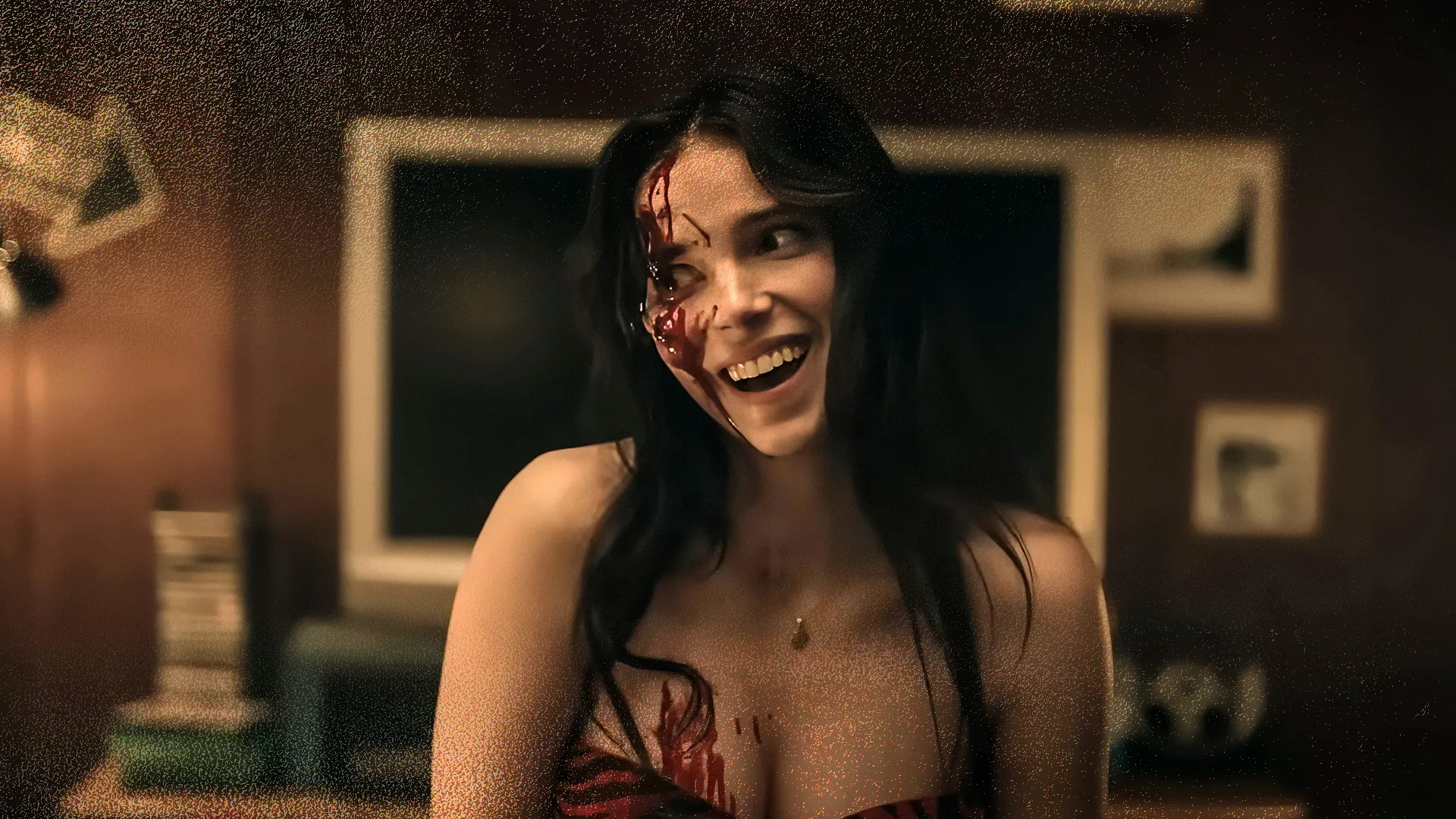
For years, horror was the genre Hollywood seemed perfectly happy to underestimate. It was often treated as a smaller business, a place for inexpensive productions, familiar franchises, and the occasional surprise hit. But audiences have never needed Hollywood’s approval to love horror, and the industry is finally catching up.
In 2026, horror is enjoying one of the strongest periods in its history. It’s attracting younger audiences, delivering impressive box office returns, and producing theatrical successes that are competing with movies carrying considerably bigger budgets. Even filmmakers who built their reputations on YouTube and independent productions are finding themselves welcomed into the Hollywood system.
There’s plenty to celebrate. Horror is getting more attention, more investment, and more opportunities to reach audiences. But there’s also a familiar danger that comes whenever Hollywood discovers a profitable trend.
The industry has a habit of taking something audiences love, identifying what made it successful, and then trying to reproduce it until the original appeal starts to disappear.
And if horror isn’t careful, its greatest period of mainstream success could eventually become one of its biggest creative challenges.
Horror Is No Longer a Niche Genre
The numbers alone tell an interesting story.
According to Ampere Analysis research reported by Senal News, horror became America’s favorite movie genre for the first time in 2026. Approximately 11.4% of respondents named horror their favorite genre, narrowly beating comedy at 11.1%. Its popularity is particularly strong among younger viewers, with more than 14% of Americans aged 18 to 24 identifying horror as their preferred genre.
That’s a significant development for a genre that spent decades being treated as a relatively small part of the theatrical business. Horror isn’t simply attracting the usual dedicated audience anymore. It’s becoming a mainstream entertainment choice for an increasingly large portion of moviegoers.
The box office numbers are equally impressive. According to box office analyst Paul Dergarabedian’s October 2026 box office analysis, domestic horror releases generated approximately $1.36 billion through October 25, 2026. That put the genre within striking distance of the annual record of approximately $1.43 billion, set in 2025.
The financial appeal is easy to understand. Horror doesn’t always require enormous production budgets to deliver a theatrical hit. A compelling concept, an effective filmmaker, and a story that gets people talking can sometimes accomplish what a much more expensive production cannot.
A March 2026 report from UCLA’s Hollywood Diversity Report also examined horror’s theatrical performance, identifying the genre as a particularly strong performer in terms of return on investment.
Hollywood has every reason to pay attention.
The Best Horror Success Stories Aren’t Always Coming From Hollywood
Perhaps the most interesting development of 2026 isn’t simply that horror movies are making money. It’s where some of the biggest successes are coming from.
Consider Backrooms, the feature adaptation of the unsettling internet phenomenon created by filmmaker Kane Parsons, better known online as Kane Pixels. What began as a series of independently produced videos on YouTube eventually became a major theatrical release from A24.
Then there’s Obsession, directed by Curry Barker. Before making the leap to feature filmmaking, Barker developed an audience through online comedy and independent horror projects, including the found-footage short Milk & Serial.
Both filmmakers represent a different path into the movie business. They didn’t necessarily need to spend years working their way through the traditional Hollywood system before getting the opportunity to direct a major theatrical production. They already had something studios increasingly value: an understanding of how to reach an audience.
The Associated Press recently examined this growing trend, reporting on how Hollywood executives are increasingly looking toward YouTube, TikTok, and other online platforms to discover emerging filmmakers. The success of Backrooms and Obsession has made that approach particularly difficult to ignore.
This is an encouraging development for horror.
For a long time, independent filmmakers struggled to get their projects in front of larger audiences. Now, someone can build an audience through a short film, an online series, or an unconventional concept and potentially turn that following into a theatrical opportunity.
It also challenges the idea that the next important horror filmmaker must come from an established studio or traditional film school background.
Sometimes the next big thing is already sitting on YouTube, waiting to be discovered.
Hollywood Wants More Horror. But What Kind of Horror?
Here’s where things get a little more complicated.
Hollywood’s interest in horror is hardly new, but the current commercial success of the genre creates an obvious temptation. Studios want to repeat their biggest hits, and the easiest way to do that is often by investing in familiar concepts.
That’s why the horror landscape continues to feature sequels, reboots, remakes, legacy properties, and adaptations of recognizable intellectual property. These projects aren’t automatically bad. Some of the genre’s most entertaining movies have come from established franchises, and there’s nothing wrong with wanting to revisit a character or world audiences enjoy.
The problem comes when familiarity becomes the priority.
A successful horror movie can inspire dozens of projects that attempt to reproduce its atmosphere, storytelling techniques, or central concept without understanding why the original connected with audiences. Eventually, what once felt different begins to feel like another studio formula.
We’ve seen this happen across Hollywood. A particular type of movie becomes successful, studios rush to capitalize on it, and audiences are suddenly confronted with an endless supply of increasingly familiar products.
Horror isn’t immune to that cycle.
In fact, the genre’s financial advantages could make it particularly attractive to companies looking for the next dependable theatrical hit. But there’s a difference between investing in horror and simply trying to manufacture the next Sinners, Weapons, or Backrooms.
Those movies found audiences for different reasons. They had distinct creative identities, different approaches to storytelling, and filmmakers who weren’t simply following the same blueprint.
Trying to replicate their success without embracing that individuality misses the point entirely.
Original Horror Needs More Than a Hollywood Greenlight
One of the reasons horror continues to be so exciting is that it doesn’t have to operate within the same boundaries as other genres.
A horror movie can be an intimate psychological thriller, an outrageous creature feature, a supernatural mystery, a disturbing found-footage experiment, or something that refuses to fit neatly into any category.
It can be made with a relatively small budget, feature unknown performers, and tell a story that would never be considered commercially viable as a major studio drama.
That freedom has always been important to horror.
Look at the variety of films that have helped define the genre over the years. Movies like The Texas Chain Saw Massacre, The Blair Witch Project, and Paranormal Activity didn’t become influential because they followed an established Hollywood formula. They found different ways to frighten audiences, often using limitations as an advantage rather than an obstacle.
That’s the kind of creativity the genre needs to preserve.
The growing opportunities for independent and internet-born filmmakers are particularly important in this regard. They provide an alternative to the traditional studio system, allowing unusual ideas to develop outside the expectations attached to major productions.
Of course, not every independent horror movie is automatically original or worthwhile, just as not every studio production is creatively compromised. The point is that horror benefits from having room for both.
If Hollywood’s growing interest results in more opportunities for filmmakers to experiment, that’s a good thing. If it results in studios becoming increasingly focused on finding the next marketable horror property, the genre could lose some of the qualities that made it attractive in the first place.
Horror Doesn’t Need Hollywood to Make It Popular
There’s a certain irony in the way Hollywood is now embracing horror.
For decades, the genre managed to survive through independent productions, devoted audiences, midnight screenings, home video, and filmmakers who were willing to take chances when major studios weren’t particularly interested.
Now that horror is delivering impressive box office numbers and attracting younger audiences, the industry suddenly wants a much bigger piece of the business.
That’s not necessarily a bad thing. More investment can mean better distribution, larger production opportunities, and greater visibility for filmmakers who might otherwise struggle to get their work seen.
But horror doesn’t need to become another Hollywood product defined by recognizable brands and predictable release strategies.
Its greatest strength has always been its ability to surprise people. Sometimes that means an ambitious studio production. Other times, it means a strange independent movie made by someone most audiences have never heard of.
The genre needs both.
Horror is in an extraordinary position right now, and there’s no reason to believe its popularity will disappear anytime soon. But as studios continue investing in the genre, they should remember that audiences aren’t simply showing up because a movie has the word horror attached to its title.
They’re showing up because they want to experience something frightening, unexpected, and different.
Hollywood may have finally realized just how valuable horror can be. The challenge now is making sure that, in its attempt to capitalize on the genre, it doesn’t take away the very thing that makes horror worth watching.
If you want to explore more stories, trend and genre fun facts check out out Editorials!






Horror Is Hollywood’s Hottest Genre. But Hollywood Could Be Its Biggest Threat

‘Other Worlds: A Stranger Things Adventure’ – Netflix Announces New Live-Action Spinoff for 2028

‘Beetlejuice 3’ Unlikely Following Catherine O’Hara’s Death, Writers Suggest

Tim Robbins and Giancarlo Esposito Join Wyatt Russell’s ‘Monsterverse’ Spinoff Series

‘Hyena’: David Lynch-Produced Thriller Starring Kiernan Shipka Begins Filming in 2027

9 Days of Horror: The Movies You Need to Watch Before Halloween

Sam Raimi Launches $25,000 Horror Award to Help Fund the Next Generation of Filmmakers

‘Remain Calm’: Pauly Shore Horror Short Goes Viral This Halloween

“Crossed” Teaser Trailer: ‘The Boys’ Creator and ‘The Sadness’ Director Unleash an Extreme Horror Experience

Why the Big Bug Craze Was Atomic-Age Horror At Its Best (And Worst)

‘Godzilla Minus Zero’ Final Trailer Unleashes King Ghidorah in Epic Sequel Preview

‘Drag’ Trailer: Lizzy Caplan’s Home Invasion Goes Horribly Wrong in New Comedy Thriller

‘The Hunchback, Soul of Paris’ Trailer Reveals Dark New Netflix Adaptation

‘Pendulum’ Trailer Unleashes New Age Retreat Horror With Joseph Gordon-Levitt
