Editorials
7 Horror Movies That Will Mess With Your Head Long After They End
Some horror movies are impossible to forget. Explore seven disturbing films that blur the line between reality and nightmare, leaving audiences questioning what they just witnessed.

Some horror movies scare you while you’re watching them. Others follow you long after the credits roll, leaving you questioning what you saw, replaying unsettling scenes in your head, and wondering whether you understood the story at all.
Psychological horror is particularly effective at creating that feeling. Rather than relying entirely on jump scares and graphic violence, these films play with perception, paranoia, grief, and the fear of losing control. They make audiences uncomfortable by blurring the line between reality and nightmare.
If you’re looking for horror movies that get under your skin and stay there, these seven films deserve a place on your watchlist.
1. Hereditary (2018)
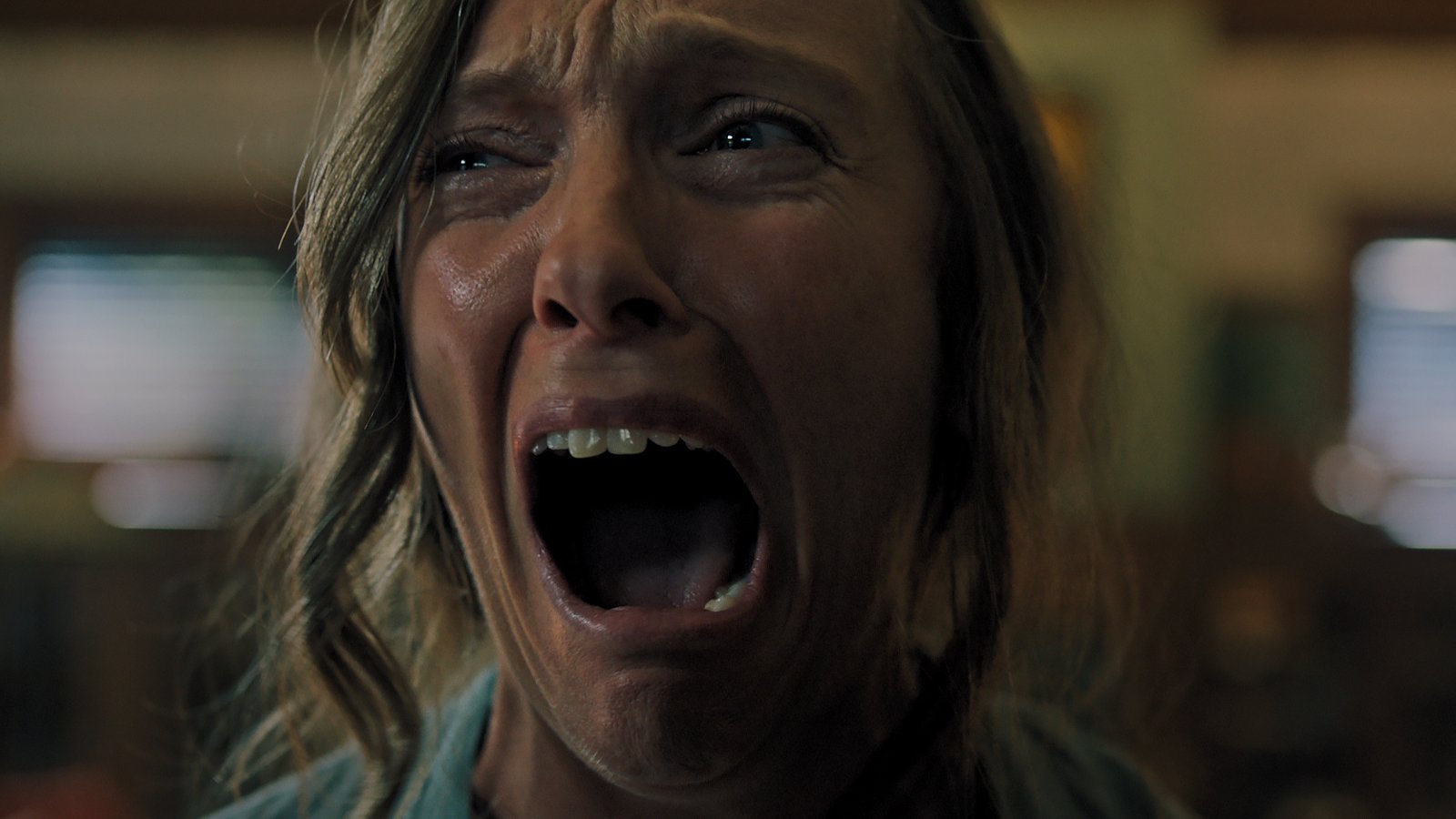
Few modern horror movies leave audiences feeling as emotionally exhausted as Ari Aster‘s Hereditary. The film follows Annie Graham, a woman struggling with family tragedy as increasingly disturbing events begin to affect her household.
What makes Hereditary so effective is the way it combines supernatural horror with deeply uncomfortable family drama. Grief, resentment, and inherited trauma gradually turn the Graham home into a place where nobody feels safe.
The film also refuses to offer much relief from its oppressive atmosphere. Even relatively quiet scenes feel loaded with dread, making viewers anticipate something terrible long before it happens.
By the time the story reaches its conclusion, the experience has become much more disturbing than a conventional haunted-house movie. It’s the kind of film that rewards a second viewing, although understanding more about what happened doesn’t necessarily make it any less frightening.
2. The Witch (2015)
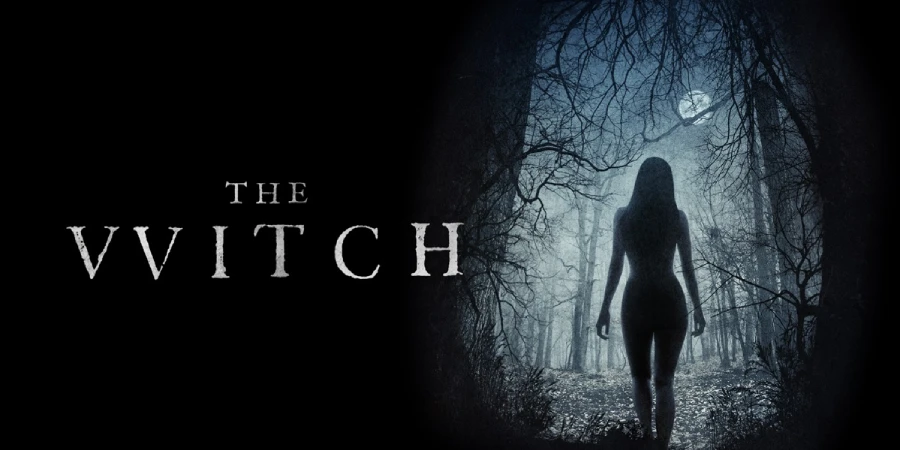
Robert Eggers‘ The Witch transports viewers to 17th-century New England, where a deeply religious family struggles to survive after being expelled from their community. When their infant son disappears and increasingly strange events unfold, suspicion begins to consume the household.
The film’s greatest strength is its uncertainty. Is the family experiencing genuine supernatural forces, or are fear, religious fanaticism, and mutual distrust destroying them from within?
Eggers builds tension through isolation, oppressive religious beliefs, and the growing breakdown of family relationships. The characters’ desperation becomes just as frightening as the possibility that something evil is lurking nearby.
Rather than constantly explaining what’s happening, The Witch allows its atmosphere and performances to do much of the work. Its slow-burning approach might not appeal to everyone, but viewers who embrace its unsettling world will find plenty to think about afterward.
3. Lake Mungo (2008)
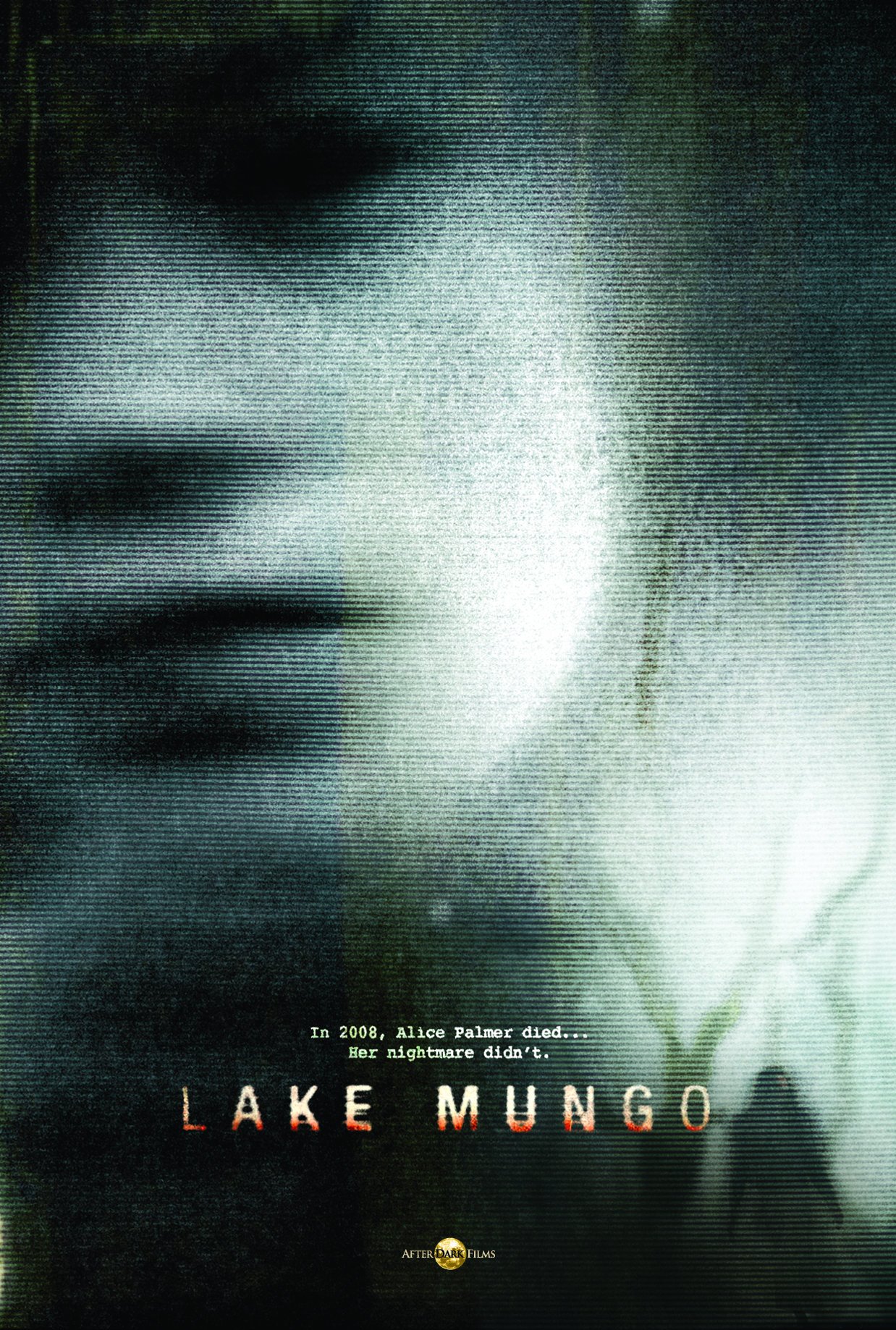
If you enjoy horror that feels disturbingly real, Joel Anderson’s Lake Mungo deserves your attention.
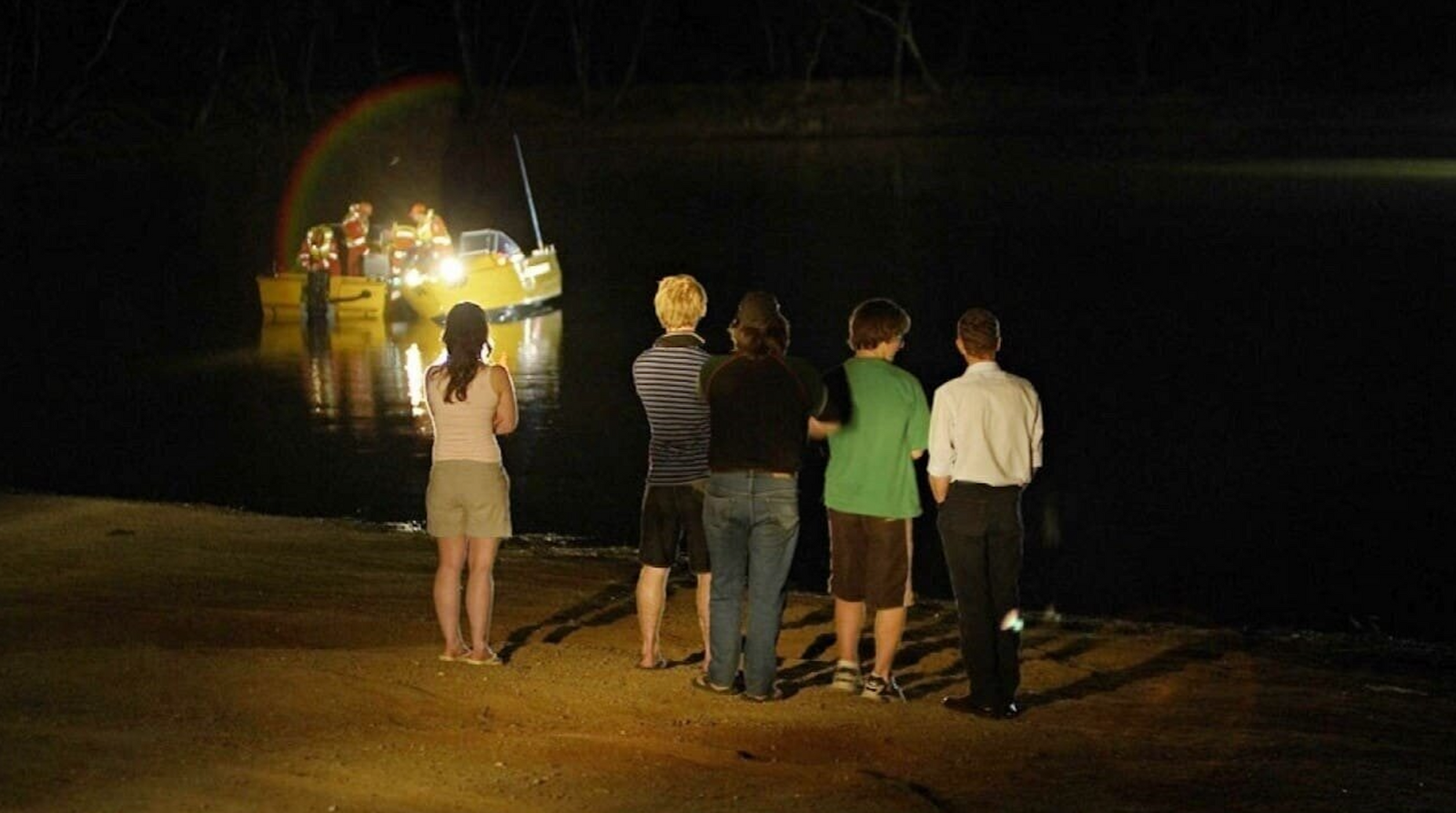
Presented as a documentary, the Australian film follows a family coping with the drowning death of their teenage daughter, Alice. As they investigate strange occurrences in their home, photographs, recordings, and other pieces of evidence begin to suggest that Alice may have been hiding something before her death.
The mockumentary format makes the story particularly unsettling. Interviews and seemingly ordinary footage create the impression that viewers are watching a genuine investigation rather than a fictional horror movie.
Instead of relying on constant supernatural activity, Lake Mungo explores grief, secrets, and the terrifying possibility that we can never fully know another person.
Its most disturbing moments are effective precisely because they arrive quietly. Some images linger in the imagination long after the film ends, while the emotional implications of the story give its final moments a weight that extends beyond a typical ghost story.
For horror fans who prefer creeping dread over relentless jump scares, this is one worth discovering.
4. Saint Maud (2019)
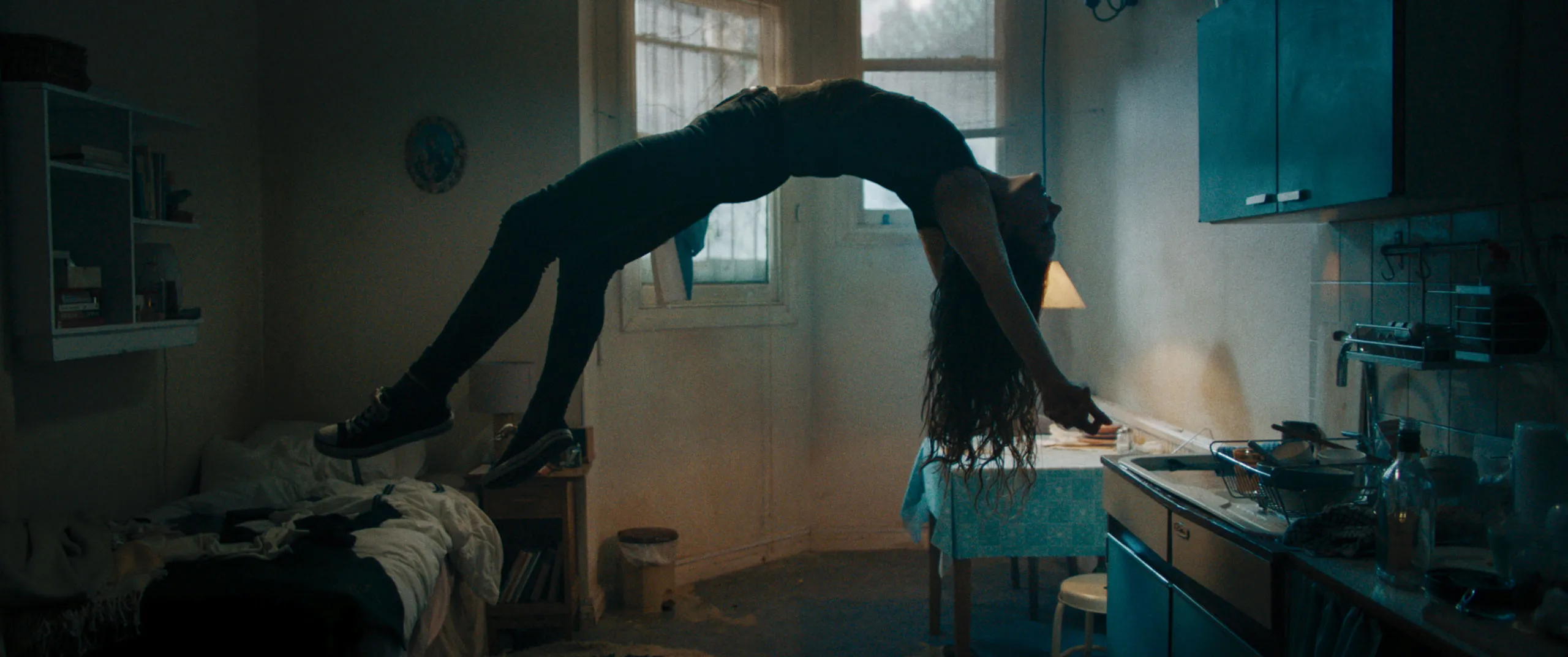
Rose Glass’s Saint Maud follows Maud, a young hospice nurse who becomes convinced that she has been chosen for a divine purpose. While caring for Amanda, a terminally ill former dancer, Maud’s religious devotion grows increasingly intense.
The film creates tension by keeping viewers close to Maud’s perspective without making it entirely clear how much of her experience can be trusted.
Her apparent spiritual encounters could suggest something supernatural, but her behavior also raises troubling questions about loneliness, psychological distress, and her desperate need to believe that her life has meaning.
This uncertainty transforms ordinary situations into deeply uncomfortable experiences. Maud’s growing conviction that she understands a higher purpose makes it increasingly difficult to predict what she might do next.
Saint Maud is a compact, slow-burning psychological horror film that explores the frightening consequences of confusing personal conviction with unquestionable truth.
Its ending is particularly effective because it forces viewers to reconsider the experiences that came before it.
5. The Invitation (2015)
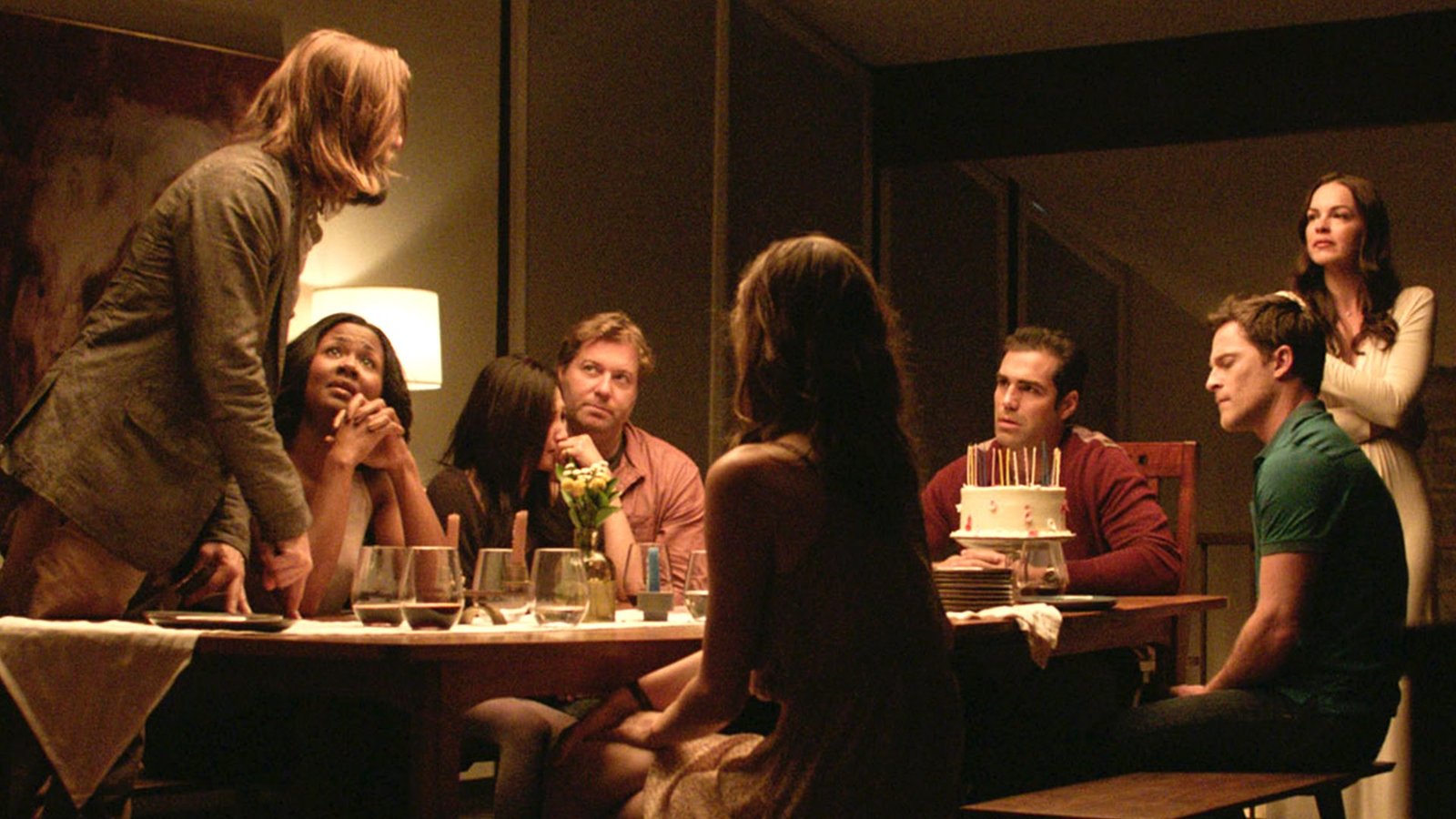
Karyn Kusama‘s The Invitation demonstrates how terrifying an ordinary dinner party can become when something feels fundamentally wrong.
The story follows Will, who attends a gathering at the Hollywood Hills home of his ex-wife, Eden, and her new partner, David. What initially appears to be an awkward social event gradually becomes more unsettling as the hosts reveal their unusual beliefs and expectations.
Will becomes increasingly suspicious of the people around him, but his grief and emotional history make it difficult to determine whether his concerns are justified.
That uncertainty is the film’s greatest weapon.
The conversations, uncomfortable silences, and strange behavior create an atmosphere in which viewers begin questioning every interaction. Even seemingly innocent moments can feel threatening because the movie continually encourages us to look for warning signs.
Rather than immediately confirming its central mystery, The Invitation patiently builds paranoia until the tension becomes almost unbearable.
It’s an excellent example of how psychological horror can turn social discomfort into genuine terror.
6. The Killing of a Sacred Deer (2017)
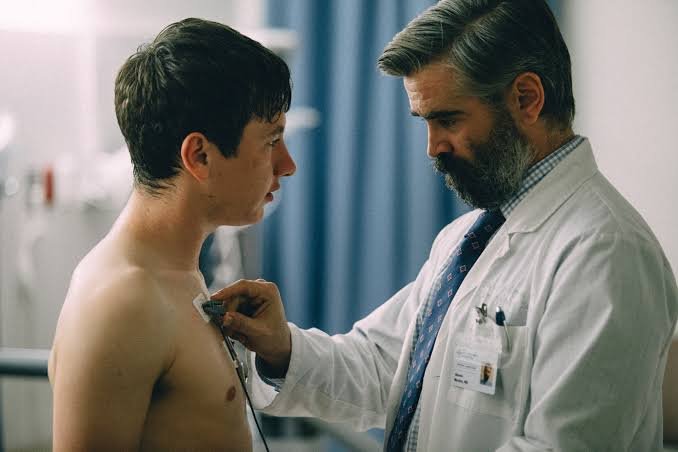
Yorgos Lanthimos‘ The Killing of a Sacred Deer follows Steven, a successful surgeon whose relationship with a teenage boy named Martin takes an increasingly disturbing turn.
After Martin becomes involved with Steven’s family, a series of unexplained medical problems forces the surgeon to confront an impossible situation.
The film’s unsettling power comes partly from its unusual presentation. Characters deliver dialogue in a detached, almost mechanical manner, while ordinary family interactions feel strangely artificial.
This creates an atmosphere in which even the most disturbing developments are met with an unnerving calmness.
The story gradually becomes a nightmare about guilt, responsibility, and the terrifying possibility that there may be no fair solution to an impossible moral dilemma.
Viewers looking for conventional horror storytelling may find the film deliberately strange, but that discomfort is central to its effect.
The more the characters attempt to understand their situation, the more disturbing their choices become. It’s a film that leaves difficult questions behind rather than providing easy answers.
7. Jacob’s Ladder (1990)
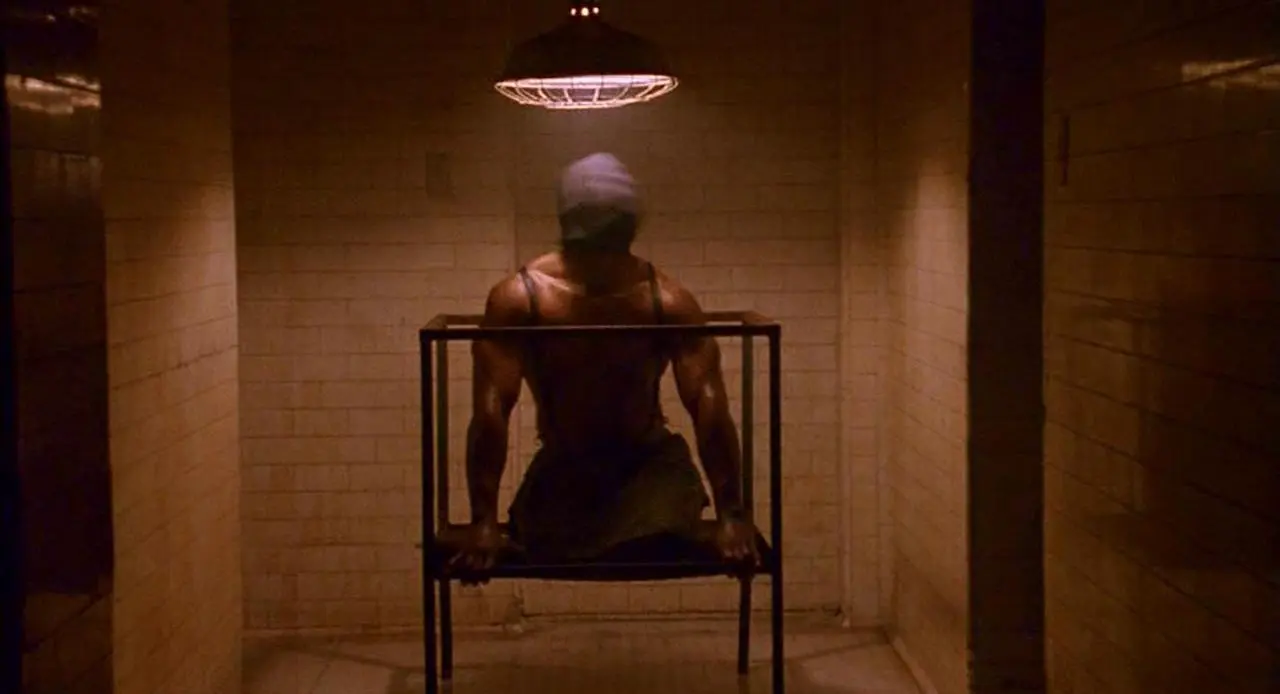
Adrian Lyne‘s Jacob’s Ladder follows Jacob Singer, a Vietnam War veteran who begins experiencing disturbing hallucinations and increasingly frightening distortions of reality.
As Jacob attempts to understand what’s happening to him, the world around him becomes more unstable. People behave strangely, familiar locations feel threatening, and grotesque images appear without warning.
The film draws much of its horror from the uncertainty surrounding Jacob’s experiences. Viewers are forced to question whether they’re witnessing supernatural events, psychological breakdown, or something that cannot easily be explained.
Its nightmarish imagery helped establish the film as an influential psychological horror experience, with its distorted faces, oppressive atmosphere, and fragmented storytelling leaving a lasting impression.
Rather than offering straightforward scares, Jacob’s Ladder creates the sensation of being trapped inside someone else’s increasingly terrifying reality.
Its central mystery encourages viewers to reconsider earlier scenes, making the film particularly rewarding for those who enjoy stories that remain open to interpretation.
Why These Horror Movies Stay With Us
The most memorable psychological horror movies don’t simply frighten audiences. They make us question what we believe, how well we understand the people around us, and whether the reality we experience can always be trusted.
Hereditary turns family grief into an overwhelming nightmare. Lake Mungo finds terror in the secrets people leave behind. The Invitation transforms social discomfort into paranoia, while Jacob’s Ladder challenges our ability to distinguish reality from hallucination.
Each film approaches psychological horror differently, but they share one important quality: their most disturbing elements aren’t necessarily the ones happening on screen. They’re the ideas, questions, and possibilities that remain in our minds afterward.
For horror fans searching for something more unsettling than a conventional jump-scare movie, these seven films offer experiences that can linger long after the lights come back on.
If psychological horror gets under your skin, there’s another subgenre that takes disturbing imagery to an entirely different level. Body horror explores the fear of physical transformation, grotesque mutations, and the human body becoming something unrecognizable. If you want to understand why these scenes are so difficult to look away from, check out our editorial, Body Horror Explained: Why We Can’t Look Away (Most Disturbing Scenes Ranked).
Which horror movie has messed with your head the most? Let us know which film stayed with you long after the credits rolled.



Clayface Review: DC’s Gruesome Body Horror Movie Is a Messy Transformation

The Black Dahlia Murder: Hollywood’s Most Infamous Unsolved Mystery

7 Horror Movies That Will Mess With Your Head Long After They End

9 Days of Horror: The Movies You Need to Watch Before Halloween

Dead Meat’s Movie ‘Fresh Meat’ Is Now Available on Digital at Home!

All the Horror Coming to Hulu, Netflix, Tubi & More in October 2026

5 Horror Movies Coming to Theaters Before Halloween 2026

50 Things to Do at Home for Halloween

Shudder Reveals Full October Horror Lineup for Halloween

“Crossed” Teaser Trailer: ‘The Boys’ Creator and ‘The Sadness’ Director Unleash an Extreme Horror Experience

‘Jump Scare’: Rock ’n’ Roll Cannibal Horror Film Hits Theaters on Halloween Hangover Tour

First ‘Night Tales Club’ Teaser Unites J-Horror Masters for Disney+ Anthology Series

Ridley Scott’s Sci-Fi Thriller ‘The Dog Stars’ Arrives on Digital Next Week

‘Victorian Psycho’: Maika Monroe’s New Psychological Horror Movie Gets Free Sneak Screenings
